
Jungian psychology turns inward, toward the symbolic and sacred depths of the psyche. By attending to the unconscious, we reconnect with our innate capacity for meaning and wholeness.
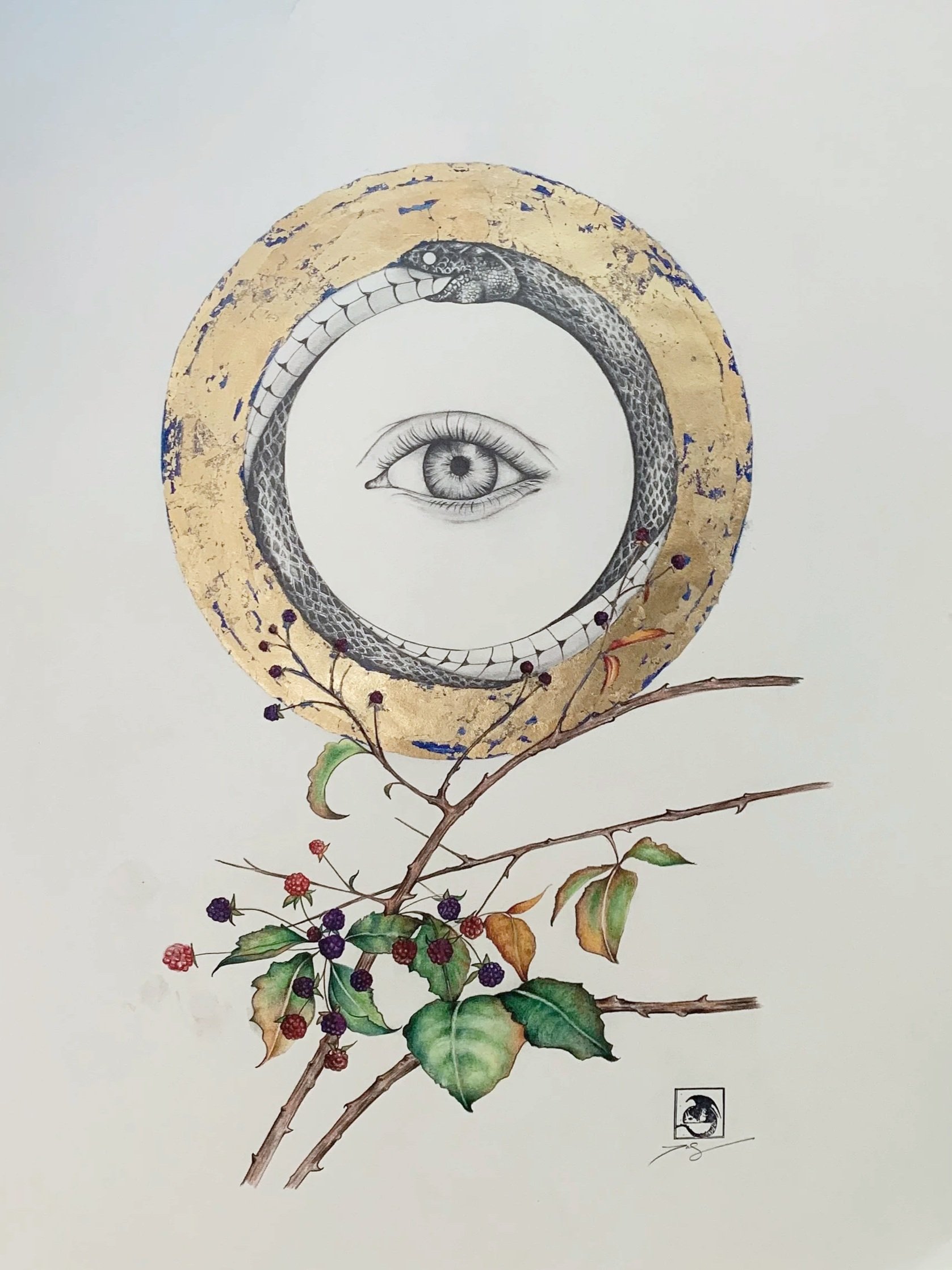



ABOUT THE JUNGIAN APPROACH
Jungian psychotherapy is a depth-oriented approach that seeks not to fix us, but to help us become who we truly are. Rather than strengthening the ego’s drive for control, this work clears away what is not us so we can listen more deeply to the voice of the Self—the organizing center of the psyche.
When we are cut off from our deeper selves, we become unmoored. This state of soul disconnection often manifests as anxiety, depression, numbness, addiction, or a pervasive sense of alienation. In Jungian work, the struggles and dilemmas of life are not treated as pathologies to be eliminated, but as meaningful material in the forge of individuation. The aim is not a trouble-free life, but a more authentic one. We turn toward our conflicts, defenses, illnesses, complexes, coping strategies, and places of stuckness—not to remove them, but to listen, understand, and integrate what they are asking of us.
The psyche speaks through feeling, imagination, symbols, dreams, and symptoms. Jungian therapy cultivates a symbolic attitude—learning to meet life not only literally, but imaginally and metaphorically. We ask what the psyche wants of us, trusting that our dreams, fantasies, and symptoms are purposeful expressions seeking relationship. In this sense, we are not broken; we are the very problem our psyche is attempting to solve.
As we metabolize our lived experience, clarity emerges. The work is less about addition than subtraction—letting go of outdated identifications, unconscious conditioning, and internalized demands so that who we have always been can gradually reveal itself. Through careful attention to our complexes, we begin to differentiate ourselves from inherited family patterns, misplaced loyalties, ancestral wounds, and trauma-based self-defenses. In doing so, we address unfinished business from the past and lay unsettled inner ghosts to rest.
A central aspect of Jungian psychology is reconnecting with the symbolic and sacred dimensions of life. When we lose contact with these layers of meaning, life becomes flattened and impoverished. Depth work restores a sense of reverence for the inner world, allowing us to experience psyche not merely as a mechanism to manage, but as a living mystery that can heal, orient, and renew us.
The rewards of this approach are both inner and outer. Jungian psychotherapy helps us align with our deeper nature, develop a symbolic perspective on the world, learn from our symptoms, and engage in life with greater meaning. As we approach the psyche on its own terms, what once felt frustrating or shameful may reveal itself as a doorway into deeper truth. Through this work, we come to know the resilience, creativity, and healing potential that arise from sustained relationship with the inner world.
Ultimately, Jungian psychotherapy invites us into a fuller engagement with life as it is. This deepening brings transformation and renewal through contact with the archetypal wellsprings of the psyche. Over time, neurotic suffering gives way to the more purposeful struggle of individuation—the lifelong task of becoming who we were meant to be.